Michigan Gaming Control Board Issues Cease-and-Desist Letters to 33 Offshore Operators
Vera Hartmann · Oct 11, 2026

Michigan Gaming Control Board Issues Cease-and-Desist Letters to 33 Offshore Operators
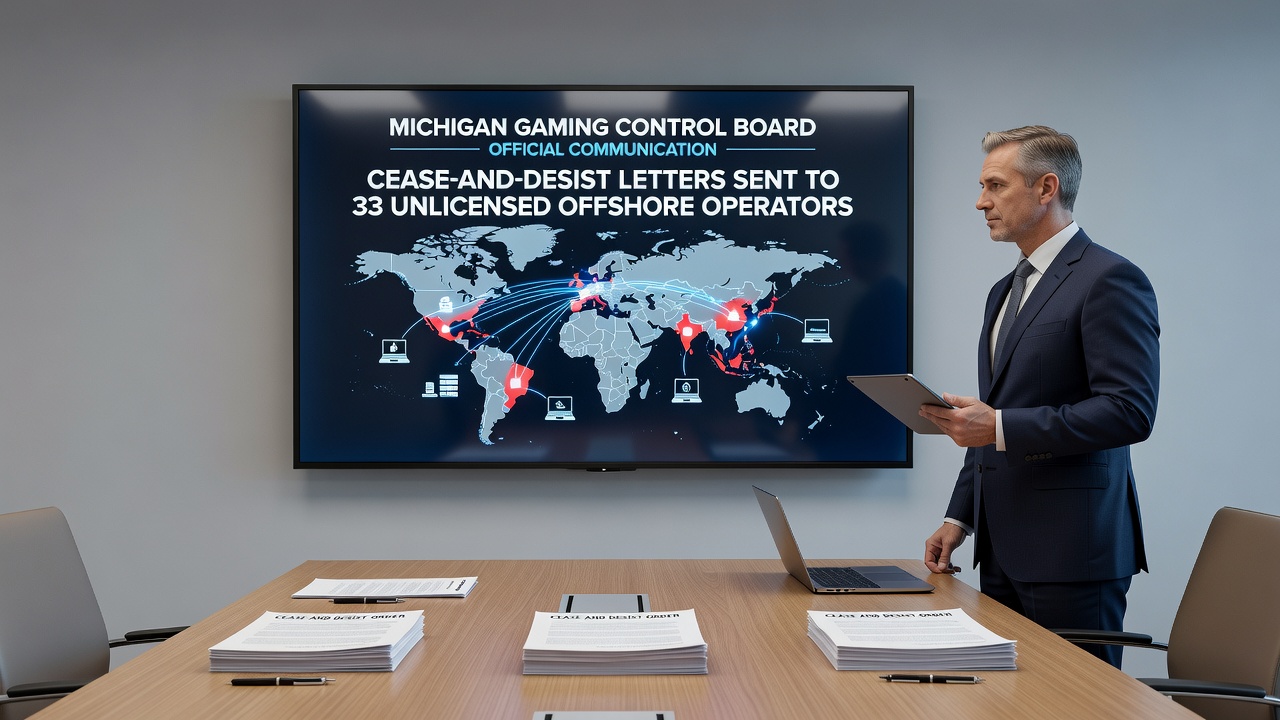
The Michigan Gaming Control Board sent cease-and-desist letters to 33 unlicensed offshore operators in early October 2026, directing those companies to stop offering online casino games, sweepstakes-style games, and sports betting to state residents. Operators named in the action include mBit Casino, Raging Bull Slots, Sloto’Cash along with 30 additional sites that regulators determined were operating without proper authorization under Michigan law. The board emphasized that these platforms function outside the state's licensed framework, which means standard consumer protections remain unavailable to anyone who accesses them.
Details of the Enforcement Action
Regulators identified the 33 operators through ongoing monitoring of internet-based gambling activity and cross-referenced player reports with site data. Each letter outlined specific violations tied to unauthorized solicitation of Michigan residents and required immediate cessation of services or risk of escalated penalties. The Michigan Gaming Control Board has conducted similar enforcement rounds in previous years, yet this October 2026 round marks the largest single batch of letters issued at one time. Officials compiled evidence showing the targeted sites accepted wagers from IP addresses located inside the state while lacking any license issued by Michigan authorities.
Those who have studied enforcement patterns note that offshore operators often advertise through digital channels that reach users regardless of geographic restrictions. The current letters reference prior warnings sent to some of the same companies, indicating repeated non-compliance in several cases. State law requires all online gambling platforms serving Michigan residents to hold a license, and the absence of such authorization triggers these direct regulatory responses.
Player Protections and Self-Exclusion Program
The Michigan Gaming Control Board highlighted that the state's self-exclusion program does not extend to any of the 33 offshore operators, leaving participants without the ability to block access through official channels. Responsible gaming tools such as deposit limits, time-out features, and helpline referrals apply only to licensed operators, which creates a gap for anyone using unlicensed sites. Data compiled by the board shows thousands of Michigan residents have enrolled in the self-exclusion registry since its launch, yet those individuals receive no automatic protection when they encounter offshore platforms.
Observers point out that players who voluntarily exclude themselves from legal operators may still encounter marketing from offshore sites that do not honor those requests. The cease-and-desist letters explicitly warned recipients that continued service to Michigan users would expose them to further state action, including potential civil penalties or referral to other agencies. This language mirrors earlier enforcement notices but applies to a broader list of operators this time around.
Background on Michigan's Regulatory Approach
Michigan established its current online gambling licensing structure several years ago, allowing regulated operators to offer sports betting, online casino games, and poker under strict oversight. The Michigan Gaming Control Board maintains a public list of approved platforms while actively monitoring for unauthorized competitors. Previous enforcement efforts have included letters to smaller numbers of operators and cooperation with payment processors to restrict transactions tied to illegal sites. The October 2026 action builds directly on those earlier steps by expanding the scope of identified violations.
Records from the board indicate that enforcement actions have increased in frequency as more offshore platforms enter the market. Each new round of letters incorporates lessons from prior cases, such as improved tracking of domain changes and advertising networks. The 33 operators targeted this month represent a cross-section of sites offering different game types, from traditional slots to sweepstakes models that some companies claim fall outside gambling definitions.
Next Steps for Operators and Residents
Recipients of the letters have a set period to respond and confirm compliance or provide evidence of corrective measures. The Michigan Gaming Control Board retains authority to pursue additional remedies if operators continue to serve state residents after the deadline. Residents who encounter these sites receive guidance to use only licensed platforms listed on the board's official website, where consumer protections remain active. Payment processors and advertising networks have received notices in past cases, and similar coordination may occur following this latest round.
Conclusion
The Michigan Gaming Control Board continues to enforce licensing requirements through targeted cease-and-desist actions, with the October 2026 letters representing the most extensive single effort to date. The 33 offshore operators now face clear directives to halt services, while Michigan residents receive reminders that self-exclusion and responsible gaming resources apply exclusively to licensed entities. Further updates will depend on operator responses and any subsequent regulatory measures.