Payment Technologies Driving Changes in Swiss Live Dealer Accessibility Amid Evolving Gambling Legislation
Zara Lang · Sep 27, 2026
Payment Technologies Driving Changes in Swiss Live Dealer Accessibility Amid Evolving Gambling Legislation
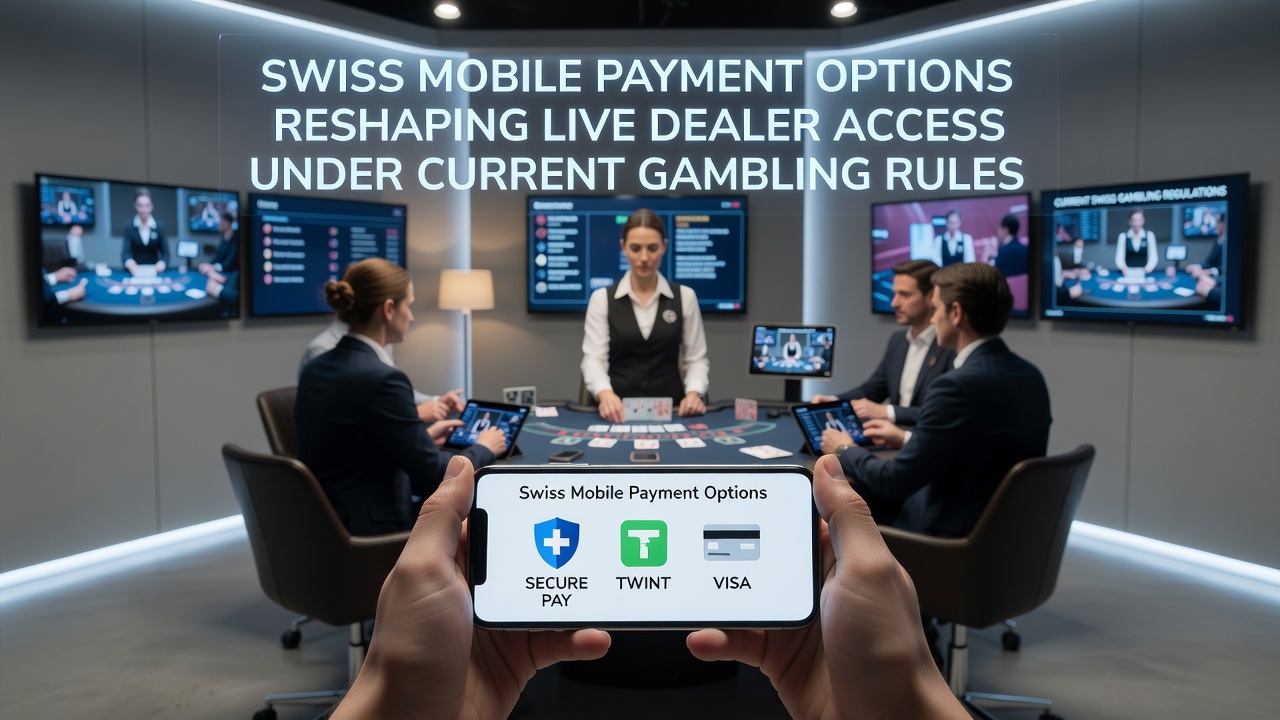
Switzerland's gambling sector has seen mobile payment solutions integrate more deeply with live dealer environments since regulatory adjustments took hold, and these shifts align with frameworks that emphasize secure transactions along with age verification protocols. Observers note that systems such as TWINT and various e-wallets now facilitate direct access while maintaining compliance with licensing requirements set by federal authorities.
Data from regulatory filings indicates participation metrics rose steadily through mid-2026, because operators adapted their platforms to support instant deposits that bypass older card processing delays. This adaptation occurred alongside rules that limit certain promotional structures yet permit broader entry points for verified users across mobile networks.
Regulatory Landscape Shaping Access
The Federal Act on Gambling, updated in prior years, established clear boundaries for live dealer offerings, and current interpretations require all payment flows to incorporate real-time monitoring features. Researchers at Swiss institutions have documented how these mandates pushed providers toward mobile-first designs that embed identity checks directly into wallet applications.
Figures released in September 2026 highlighted a 14 percent increase in active mobile accounts tied to licensed live tables, while traditional bank transfers showed slower uptake under the same compliance standards. Such patterns emerged because digital wallets reduce friction without compromising the traceability demanded by oversight bodies.
Mobile Options and Their Technical Integration
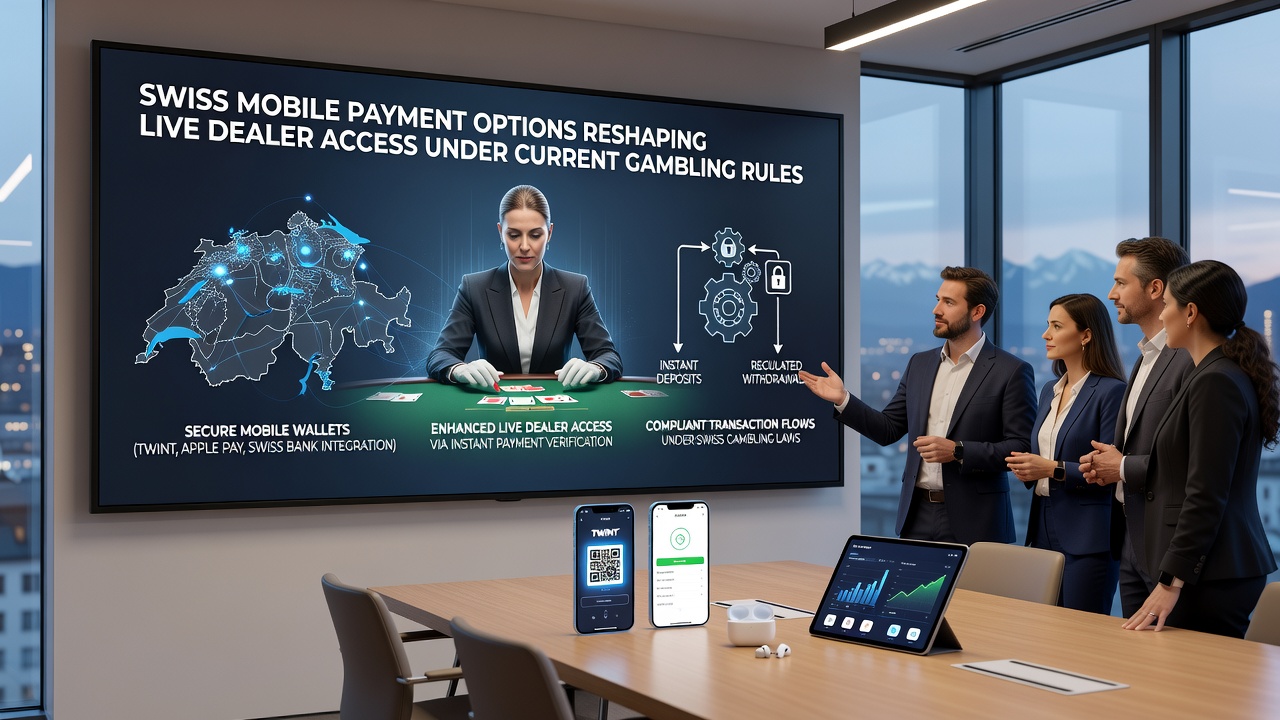
Providers have rolled out TWINT linkages that connect user bank accounts to casino wallets in seconds, and this process satisfies the strict anti-money laundering checks embedded in Swiss law. Additional methods, including prepaid mobile vouchers and select cryptocurrency gateways, gained traction after operators demonstrated full audit trails to licensing panels.
One study from the University of Zurich examined transaction logs and found that mobile-native users completed deposits 3.2 times faster on average than those relying on legacy systems, which in turn supported longer session durations at live dealer tables without violating session time caps. These efficiencies stem from API integrations that sync directly with the federal player registry.
Impact on Live Dealer Participation Rates
Access metrics compiled by industry analysts show live dealer tables hosted on mobile-optimized sites now account for over 60 percent of total Swiss gambling volume in regulated channels. This distribution developed because payment speed influences user retention, and operators who streamlined wallet onboarding captured larger shares of the verified adult market.
European Gaming and Betting Association reports referenced in recent compliance reviews note parallel trends across neighboring jurisdictions, yet Swiss implementations remain distinct due to the centralized licensing model that ties every transaction to a single national database. Consequently, mobile payment adoption here emphasizes interoperability over variety alone.
Case examples from major license holders reveal that after introducing native TWINT buttons in September 2026 updates, average daily active users at live roulette and blackjack tables climbed by double-digit margins within the first month. These gains occurred while operators maintained full adherence to deposit limits and self-exclusion lists enforced through the same applications.
Future Trajectories Under Existing Rules
Continued refinement of mobile interfaces is expected to focus on biometric authentication layers, since current rules already require multi-factor confirmation for high-value transfers. Data compiled through the end of 2026 suggests these enhancements will further reduce unauthorized access attempts without restricting legitimate player entry points.
Stakeholders continue to monitor how evolving wallet standards interact with live dealer streaming quality, and early indicators point to sustained growth in cross-device compatibility as the primary driver of expanded reach under the prevailing regulatory environment.
Conclusion
Swiss mobile payment developments have directly influenced how live dealer content reaches verified users, because integration with existing compliance tools allows faster, traceable transactions that fit within federal guidelines. The patterns observed through September 2026 demonstrate measurable shifts in access volumes tied to these technical adaptations, and ongoing data collection will track whether similar trajectories hold in subsequent reporting periods.