Swiss Transaction Technologies Driving Responsible Features in Mobile Live Dealer Gaming
Vera Hartmann · Oct 25, 2026
Swiss Transaction Technologies Driving Responsible Features in Mobile Live Dealer Gaming
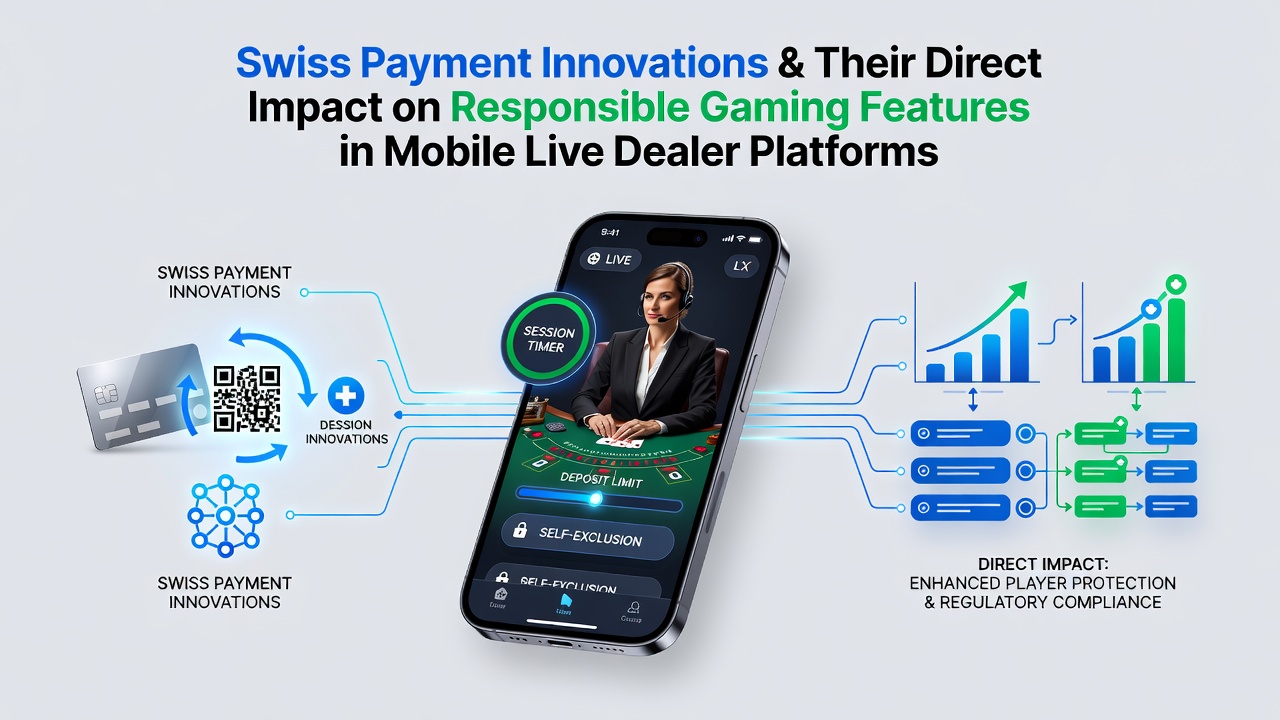
Payment systems in Switzerland have evolved rapidly since the early 2020s and now connect directly with responsible gaming tools on mobile live dealer platforms, where instant bank transfers and digital wallets enable operators to enforce deposit caps and session reminders at the point of transaction. Researchers tracking these integrations note that platforms using TWINT and similar instant payment rails can flag unusual spending patterns within seconds rather than after the fact, because the transaction data flows through the same API that handles game access.
Data from the Swiss Federal Statistical Office shows transaction volumes through licensed mobile channels rose steadily through 2025 and into October 2026, with a measurable share of those transfers triggering automated responsible gaming interventions such as temporary cooling-off prompts or mandatory verification steps. Observers at regulatory roundtables point out that these payment-linked safeguards differ from earlier static limit systems because they adapt in real time to each player's activity level without requiring separate logins or additional menus.
Payment Rails and Their Built-in Controls
Instant payment methods now dominate Swiss mobile gaming deposits, and several of them carry native features that support spending limits and identity checks before funds reach the game server. When a player initiates a transfer via TWINT or an integrated bank app, the payment provider can reference a pre-set responsible gaming profile stored in the operator's backend, which means the transaction either proceeds, pauses for confirmation, or routes to a support queue depending on the account's current status. Studies compiled by European research consortia indicate that such friction at the payment layer reduces the incidence of rapid successive deposits compared with older card-based flows that processed without cross-checks.
Those who've examined Swiss licensing conditions observe that operators must demonstrate payment-system compatibility with self-exclusion registries, so a player who has activated a voluntary ban through the national database cannot complete a deposit even if the mobile app itself appears functional. This linkage became more visible in regulatory filings submitted during the first half of 2026, where compliance reports listed specific API endpoints that connect payment processors to exclusion lists maintained by intercantonal authorities.
Real-Time Data Sharing Between Banks and Platforms
Mobile live dealer environments generate continuous streams of betting data, and Swiss payment innovators have begun routing portions of that data back to the transaction layer so that deposit requests can be evaluated against recent play history. A bank transfer arriving at 8 p.m. on a weekday, for instance, might trigger an additional confirmation screen if the same account placed high-volume bets during the preceding hour, because the payment gateway receives a risk score calculated from game telemetry. Figures released by the Swiss National Bank highlight growth in these hybrid transaction models, particularly among institutions that already serve regulated gaming operators under strict data-protection rules.
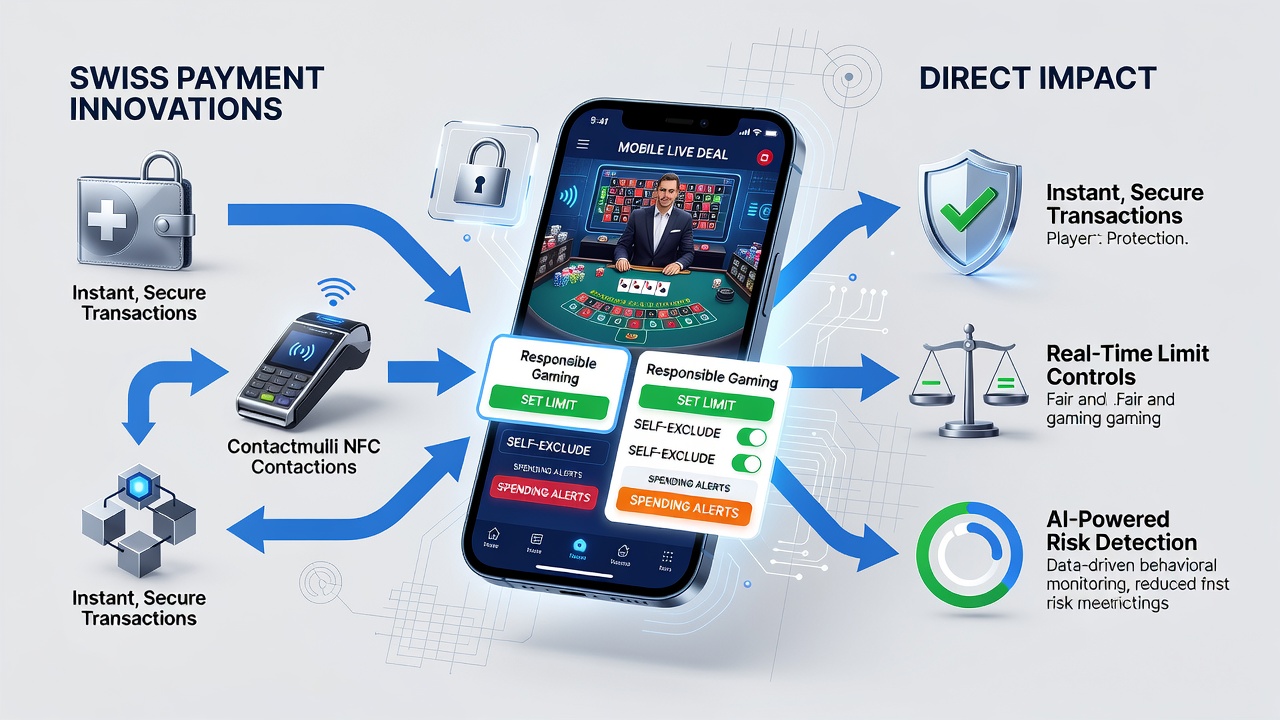
What's interesting is how this two-way data exchange also supports loss-limit enforcement without forcing players to leave the live dealer table. When cumulative losses approach a pre-agreed threshold, the payment system can simply decline the next deposit attempt and surface a message that directs the user to review their activity summary, all while the dealer continues teh current round uninterrupted for other participants. Case examples documented by academic teams at Swiss universities show that players who encounter these payment-timed interventions often pause longer than those who receive pop-ups generated solely inside the gaming app.
Regulatory Alignment and October 2026 Updates
By October 2026, updated intercantonal guidelines required licensed operators to log every payment-related responsible gaming action in auditable formats that regulators can review quarterly. These logs capture not only the amount and method but also the response time between a flagged transaction and the resulting player notification, which allows authorities to compare performance across different payment partners. Industry reports compiled by cross-border gaming associations note that Swiss operators using domestic instant-payment rails generally record shorter response intervals than those relying on international card networks, because the local processors already operate under data-sharing agreements with the national exclusion database.
Observers following these developments point to the growing number of payment providers that now offer optional modules for age verification and source-of-funds checks at the moment of first deposit, modules that feed directly into the same responsible gaming dashboard used by live dealer platforms. This consolidation reduces the number of separate compliance steps a player encounters while still satisfying the documentation requirements set out in the Federal Act on Gambling.
Conclusion
Payment innovations originating in Switzerland continue to embed themselves deeper into the responsible gaming architecture of mobile live dealer platforms, creating tighter connections between transaction approval and player-protection measures. The result appears in regulatory data as measurable reductions in certain high-frequency deposit behaviors alongside increased use of voluntary limit tools that activate at the payment stage itself. As these systems mature, the technical standards that govern how banks and operators exchange risk signals are likely to shape similar frameworks in other regulated markets seeking to align financial rails with gaming safeguards.